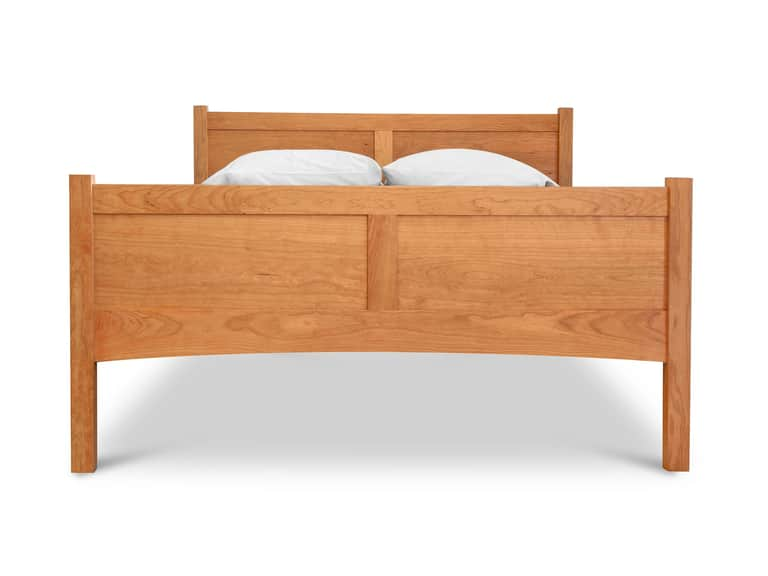
The considered bedroom
What to Look For When Choosing a Savvy Rest Organic Mattress
A mattress is a personal landscape: part support system, part daily ritual, and part foundation for the room you return to each night. Choosing an organic mattress means looking beyond a compelling materials story to consider how it feels, what it is made of, and whether it suits the bed you already own.
A practical guide to comfort, construction, certifications, care, and the questions worth asking before you decide.
Begin with the way you sleep
It is easy to start with a product label, a material, or a promise of a more natural bedroom. A better starting point is your own sleep. The right mattress is not simply the one with the most impressive list of ingredients; it is the one whose support and feel work for your body, sleeping position, and preferences over time. Before comparing Savvy Rest options, take a moment to notice what you already know about your nights.
Do you usually fall asleep on your side, back, or stomach? Do you move between positions? Are there pressure points at your shoulders or hips? Does your current bed feel too yielding, too firm, or comfortable at first but uncomfortable by morning? These observations give you a useful brief. They also help you ask more precise questions when reviewing mattress specifications or trying a mattress in person.
Sleeping position is a helpful guide, not a rulebook. Side sleepers often appreciate enough cushioning to ease pressure at the shoulder and hip, while still needing stable support through the middle of the body. Back sleepers may prefer a surface that feels even and supportive without allowing the hips to sink excessively. Stomach sleepers commonly look for a firmer, more level feel. If you change positions during the night, consider a balanced surface that does not feel restrictive when you turn.
Body proportions and personal sensitivity matter, too. Two people can lie on the same mattress and experience its firmness differently. If you share a bed, discuss what each person finds comfortable and whether one partner is more sensitive to movement, heat, or pressure. A showroom impression can be informative, but it is only one part of the decision: comfort over a full night is a more demanding test than a few minutes of lying down.
Treat firmness as a feeling, not a universal measurement
Firmness language can sound objective, yet it is experienced subjectively. A label such as “medium” does not guarantee the same sensation across different constructions, and a mattress that feels pleasantly supportive to one sleeper may feel unyielding to another. Ask how a particular model is described, but also ask what those words mean in practical terms: how much give is there at the shoulder, how level does the waist feel, and how quickly does the surface respond when you shift position?
Think about the distinction between softness and support. A plush top layer can feel welcoming, but it does not automatically provide the support you need. Conversely, a mattress that feels firm at first contact may still offer thoughtful pressure distribution. The goal is not to chase a certain firmness label. It is to find a surface that feels comfortable while keeping your body in a relaxed, reasonably aligned position.
If you are shopping for a Savvy Rest mattress, review the details for the exact model and configuration under consideration. Product lines and options can vary, so do not assume that a feature described for one version applies to every model. Confirm the construction, available firmness choices, and any adjustment or customization options directly with current product information or a knowledgeable retailer. This keeps the decision grounded in the mattress you would actually receive.
Look closely at materials and construction
“Organic mattress” is an inviting phrase, but it should lead to specific questions rather than end the inquiry. Ask which materials are used in each part of the mattress, including the comfort layers, support layers, cover, and any internal barriers or adhesives. The answers help you understand not only what the mattress contains, but also how its components may affect feel, breathability, care, and longevity.
Natural materials can have distinct characteristics. Wool, for example, is often valued for its springy feel and ability to manage moisture; latex is commonly chosen for resilient, contouring support; and cotton may be used in covers or other layers for its familiar hand and breathability. But material names alone do not tell the whole story. The source, processing, blend, density, construction, and placement of a material all influence performance. Check the specifications for the precise product rather than relying on general claims about an entire material category.
It is also useful to distinguish between natural content and certified organic content. If organic sourcing is important to you, ask which components are certified, who issued the certification, and what the certificate covers. A certification may apply to a particular material or part of a supply chain rather than the finished mattress as a whole. Look for current documentation and read the scope carefully. Clear answers are more useful than broad phrases such as “green,” “clean,” or “eco-friendly,” which may not describe a specific standard.
Certifications can address different concerns, so compare like with like. One label may focus on organic agricultural materials, while another may assess emissions or chemical content. Neither should be treated as a substitute for reading the full construction details. If you have a specific sensitivity or health concern, ask the manufacturer or retailer for precise information and consult a qualified health professional where appropriate. A product’s marketing language cannot diagnose or treat a medical condition.
Make the mattress work with your existing bed
A mattress does not exist in isolation. Its everyday performance depends partly on the foundation beneath it, and a mismatch can create inconvenience even when the mattress itself feels appealing. Before ordering, measure the frame or foundation and confirm that it is compatible with the model you are considering. Check whether the mattress is intended for a platform bed, slatted base, adjustable foundation, or another type of support, and follow the manufacturer’s requirements.
Measure the available sleep surface rather than relying only on the name of the bed size. Dimensions can differ by market, product, or construction, and the frame’s interior space may not match the mattress dimensions precisely. Check length, width, and height, including the effect of any existing topper. If you are replacing a mattress but keeping the frame, confirm that the new mattress will sit securely and that the foundation remains in good condition.
Slatted bases deserve particular attention. Ask about permitted spacing between slats, the number of support points required, and any restrictions concerning a center rail or support legs. These specifications are not decorative details: they can affect stability and may be necessary to preserve warranty coverage. Do not assume that a frame suitable for your previous mattress is suitable for a new one.
Consider height as part of the room’s practical composition. A thicker mattress, a topper, and a tall bed frame can raise the sleeping surface considerably. Think about ease of getting in and out of bed, how the mattress will meet the headboard, and whether fitted sheets will still fit comfortably. If the bed is shared, the ideal height may feel different to each person. A few measurements now can prevent a bedroom arrangement that looks polished on paper but feels awkward in daily use.
Ask about care, adjustment, and ownership
A considered mattress purchase includes a plan for what happens after delivery. Read the care guidance before you commit. Some mattresses should not be folded, soaked, or treated with common cleaning products; others may have specific instructions for rotating, airing, or protecting the surface. Follow the manufacturer’s directions rather than applying a general mattress-care routine to a product with different materials.
Ask whether the mattress should be rotated and, if so, how often. Do not assume that it can be flipped: many modern mattresses are designed with a defined top and bottom. A breathable, washable mattress protector can help shield the surface from spills and everyday wear, but confirm that the protector is compatible with the mattress and does not interfere with its feel or ventilation. Good bedding habits are simple, but they can make maintenance more manageable.
Review trial, return, and warranty terms before purchasing. Find out how long the trial lasts, whether there are fees or pickup conditions, what constitutes an eligible return, and whether the mattress must be used on an approved foundation. Read the warranty for its coverage period, exclusions, and the process for making a claim. These policies vary and can change, so verify the current terms in writing instead of relying on an old summary or informal assurance.
Also consider delivery logistics. Confirm the expected lead time, delivery method, room-of-choice options, and what happens to the old mattress if you need that service. Check stairways, corridors, elevators, and doorways, especially in older homes or apartments. A mattress that fits the room may still be difficult to bring into it. The quieter details of delivery and setup often determine whether the purchase feels effortless or needlessly complicated.
Build a balanced sleep system
Once the mattress is chosen, the rest of the bed should support—not obscure—the comfort you selected. A thick or unusually cushioned topper can change the way a mattress feels, sometimes substantially. If you are trying to solve a comfort issue, identify the source before adding another layer. A topper may adjust the surface feel, but it cannot necessarily correct an unsuitable foundation or a mattress that does not fit your needs.
Bedding matters in its own right. Sheets should fit the mattress depth, with enough allowance for any topper. Natural-fibre options such as cotton or linen may appeal to sleepers who value breathability and a tactile, relaxed finish; the best choice depends on personal preference, climate, and care routine. A well-fitted pillow is equally important: its height and support should suit the way you sleep and complement the mattress rather than push your neck into an uncomfortable angle.
Temperature is another part of comfort. Consider whether you tend to sleep warm or cool, and look at the mattress cover, bedding layers, room ventilation, and seasonal changes together. No material guarantees a particular sleep temperature for every person. The broader sleep environment—room conditions, nightwear, duvet weight, and individual physiology—also plays a role.
A thoughtful checklist before you choose
When comparing options, keep a short list of questions beside the product specifications. The aim is not to turn an intimate purchase into a technical examination; it is to make sure the design matches the way you live.
- Which sleeping positions do I use most often, and where do I notice pressure or discomfort?
- What firmness or surface feel do I prefer, and how has my current mattress shaped that preference?
- What materials are used in each layer of the exact model I am considering?
- Which components, if any, are certified organic, and what does each certification cover?
- What foundation types and slat spacing are approved for this mattress?
- Do the mattress dimensions and overall bed height suit my frame and room?
- What are the current care instructions, trial conditions, warranty terms, and delivery arrangements?
- Will my protector, sheets, pillows, and any topper still fit and feel right?
If you share the bed, make this a joint conversation. Compare preferences, discuss how much each person moves during the night, and decide which compromises are acceptable. When possible, test the mattress together and spend enough time in your normal sleeping positions to notice whether the surface supports you comfortably. If an in-person trial is unavailable, review the written specifications and policies with particular care.
Choose for real life, not for the label
The appeal of an organic mattress is its materials story, but a satisfying choice is more complete than a label. It should feel right for your body, suit your preferred sleeping position, fit the foundation you own, and come with care and purchase terms you understand. For a Savvy Rest mattress, the most useful approach is to assess the current details of the specific model rather than assume every option has the same construction or features.
Give yourself permission to compare carefully. Read the specifications, ask direct questions, and take measurements before ordering. Think about the first night, certainly, but also the ordinary months that follow: changing the sheets, rotating the mattress if recommended, moving through the room, and waking up with a surface that still feels like yours. The best mattress decision is not a performance of virtue or a pursuit of fashionable terminology. It is a practical, personal choice—made with enough attention to turn the bedroom into a place of genuine ease.